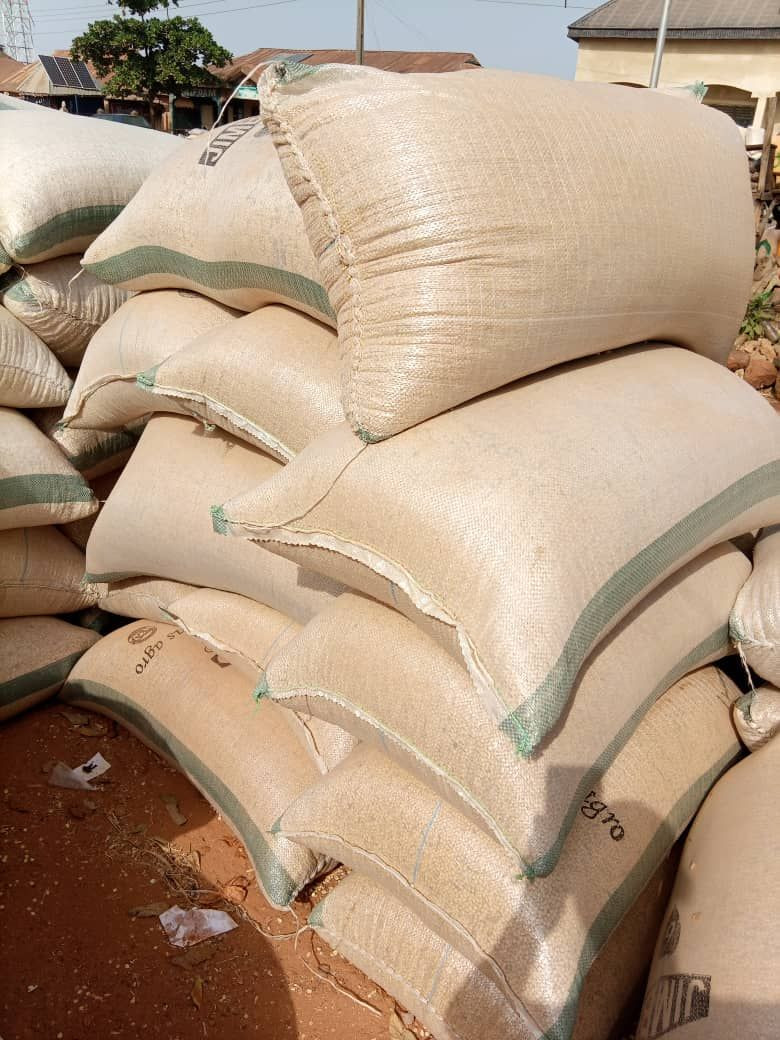

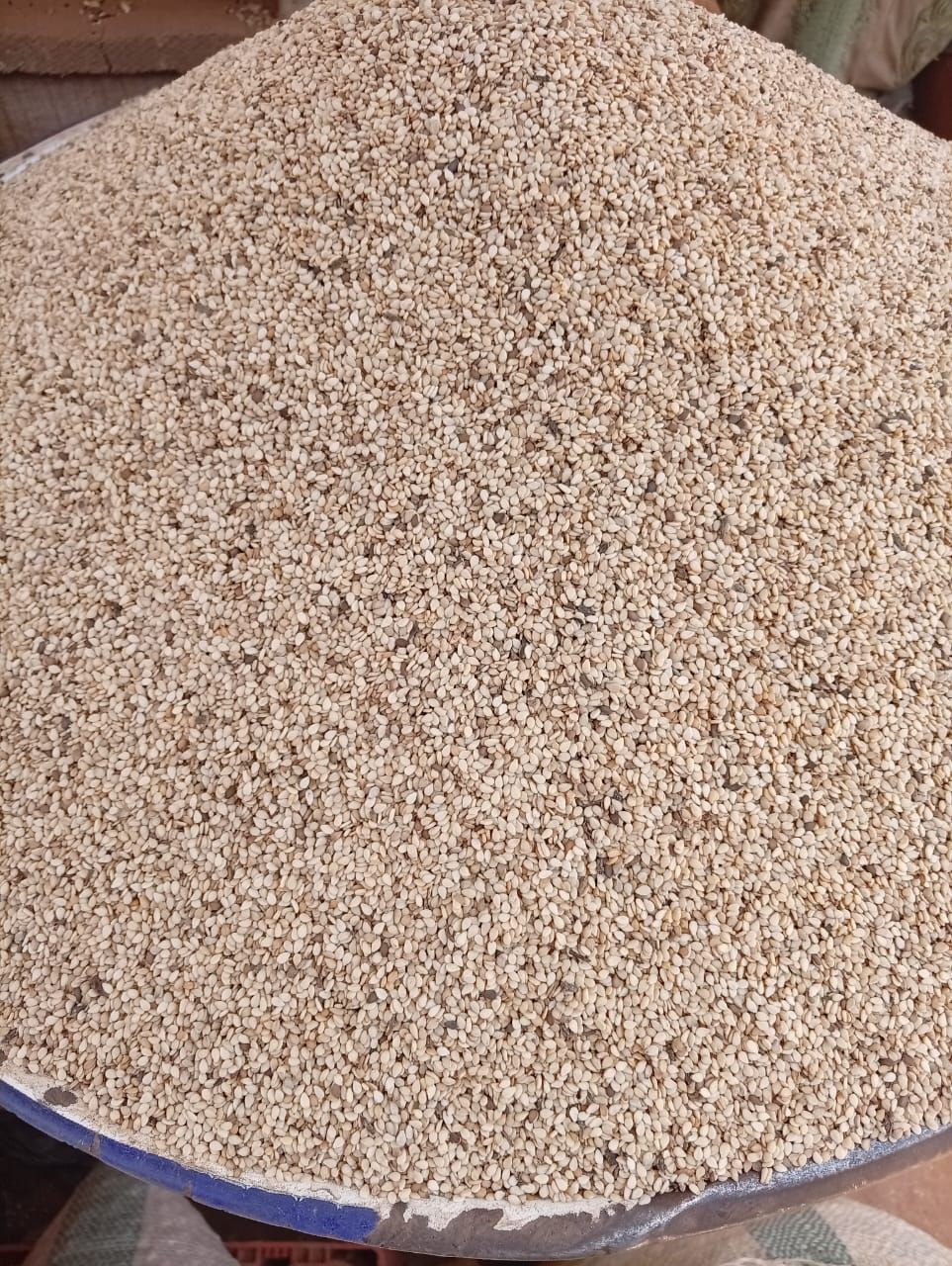
Sesame seeds from Nigeria are a highly valued agricultural commodity, known for their purity, rich oil content, and strong demand in international markets. Nigeria is one of Africa’s leading producers and exporters of sesame, with major cultivation taking place in states such as Benue, Nasarawa, Jigawa, and Taraba, where the climate and soil conditions are well suited for optimal growth. These tiny, flat seeds—
Sesame seeds from Nigeria are a highly valued agricultural commodity, known for their purity, rich oil content, and strong demand in international markets. Nigeria is one of Africa’s leading producers and exporters of sesame, with major cultivation taking place in states such as Benue, Nasarawa, Jigawa, and Taraba, where the climate and soil conditions are well suited for optimal growth.
These tiny, flat seeds—commonly white or off-white in Nigerian varieties—are prized for their high oil content, typically around 45–55%, as well as their impressive nutritional profile. They are rich in healthy fats, protein, dietary fiber, and essential minerals like calcium, iron, and magnesium. Sesame seeds also contain natural antioxidants such as sesamin and sesamol, which contribute to their health benefits and long shelf life.